A fine tilth
Spring Updates

Out of hibernation and working on some longer pieces of writing at the moment, which will sprout in the next month. In the meantime, some news about where my work is appearing elsewhere in the world:
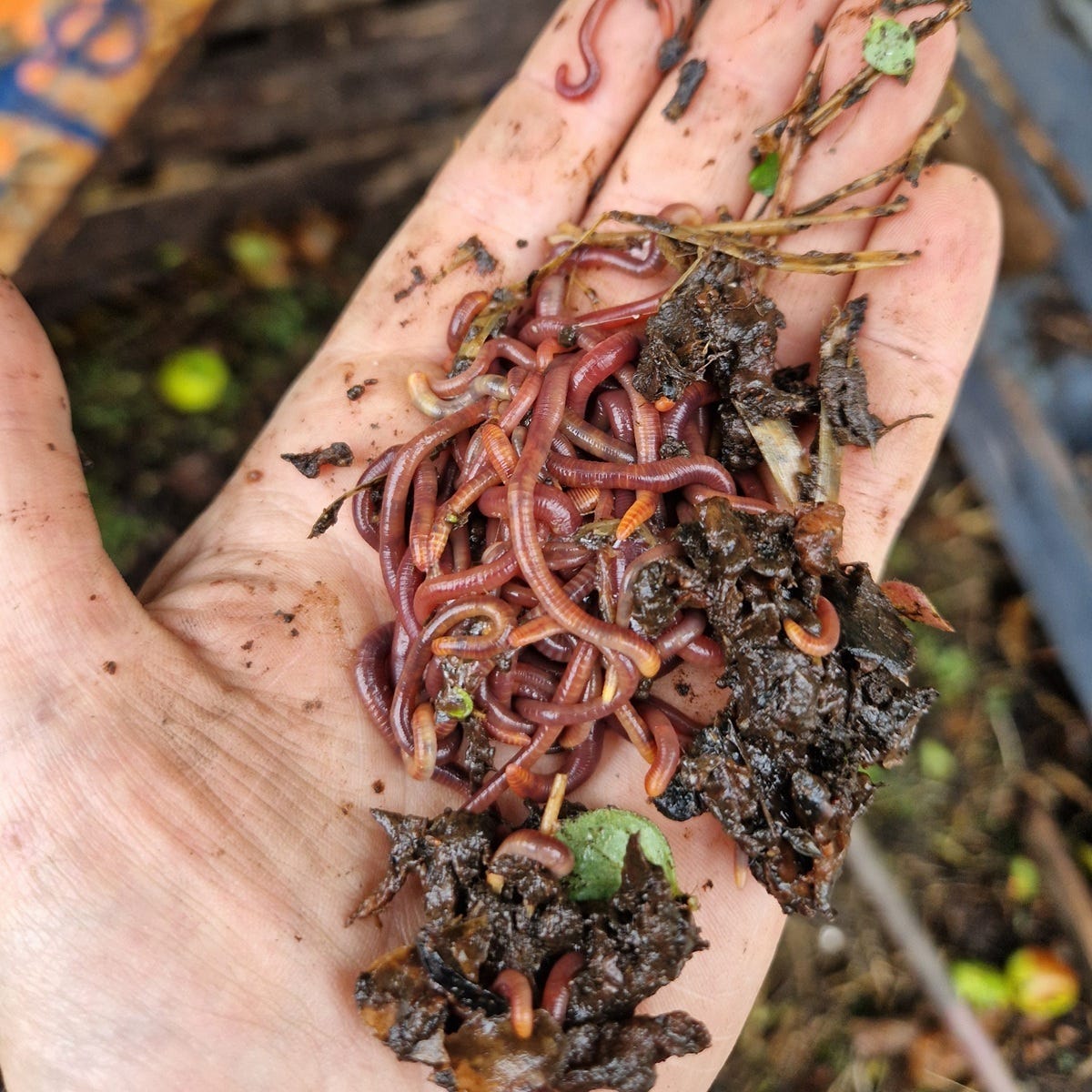
Essay about stewarding by Joey Francis on Corridor8
Thrilled to have had a deep dive article written about stewarding in the context of my wider ecological arts practice. It is extremely gratifiying to have an esteemed peer and poet dissect the nexus between my creative methodologies and specific food and land justice writing in the book.
“Corridor8 is a not-for-profit platform for contemporary visual arts and writing in the North of England. We publish reviews, features, interviews and exploratory writing, and are dedicated to producing high quality content that reflects the vibrant art scenes and cultural events taking place across the North of England.”
Here is an excerpt from Joey’s essay, which you can read in full at Corridor8:
Thinking at a systemic level, Parker connects the most visible deadly violences of our dominant modes of food production and distribution – pesticide and chemical fertiliser, plastic packaging, air freight – with interlocking structures whose place in this constellation is often more obscured: poverty, inequality, gentrification, labour conditions, the basic extractive position of colonial capitalism towards the fruits and creatures of the earth. ‘The fight for food sovereignty – how communities are primary stakeholders in the production, trading and consumption of their food – is the fight for people and the environment, and against corporate monopoly. By virtue, all of my desires and all of yours are interconnected.’ We are firmly within the politicised agroecological tradition which says there is no ‘sustainable farming’ without re-shaping the economic and material conditions which alienate people from the land, which privatise life itself, leaving many hungry, displaced, overworked.
Ongoing gratitude to Rory, Rachael, Sam, Sonia, Josh, Hannah and Lucy for helping me bring the book to life.
A Future Without Growth - Curating Axis Members’ work
Having been a proud Axis member for several years and most recently receiving a Fellowship to develop my professional practice alongside Uma Breakdown, Asuf Ishaq and Hannah Leighton-Boyce, I had the pleasure of rifling through hundreds of artist profiles to find a selection of works responding to the theme of Degrowth.
The artists I selected were Claire Barber, Naty Lopez-Holguin, Jenny Mellings, Anna Chrystal, Bobb Budd, Caroline Dear, Victoria Malcolm, Julian Claxton, James Winnett, Laura Lulika.
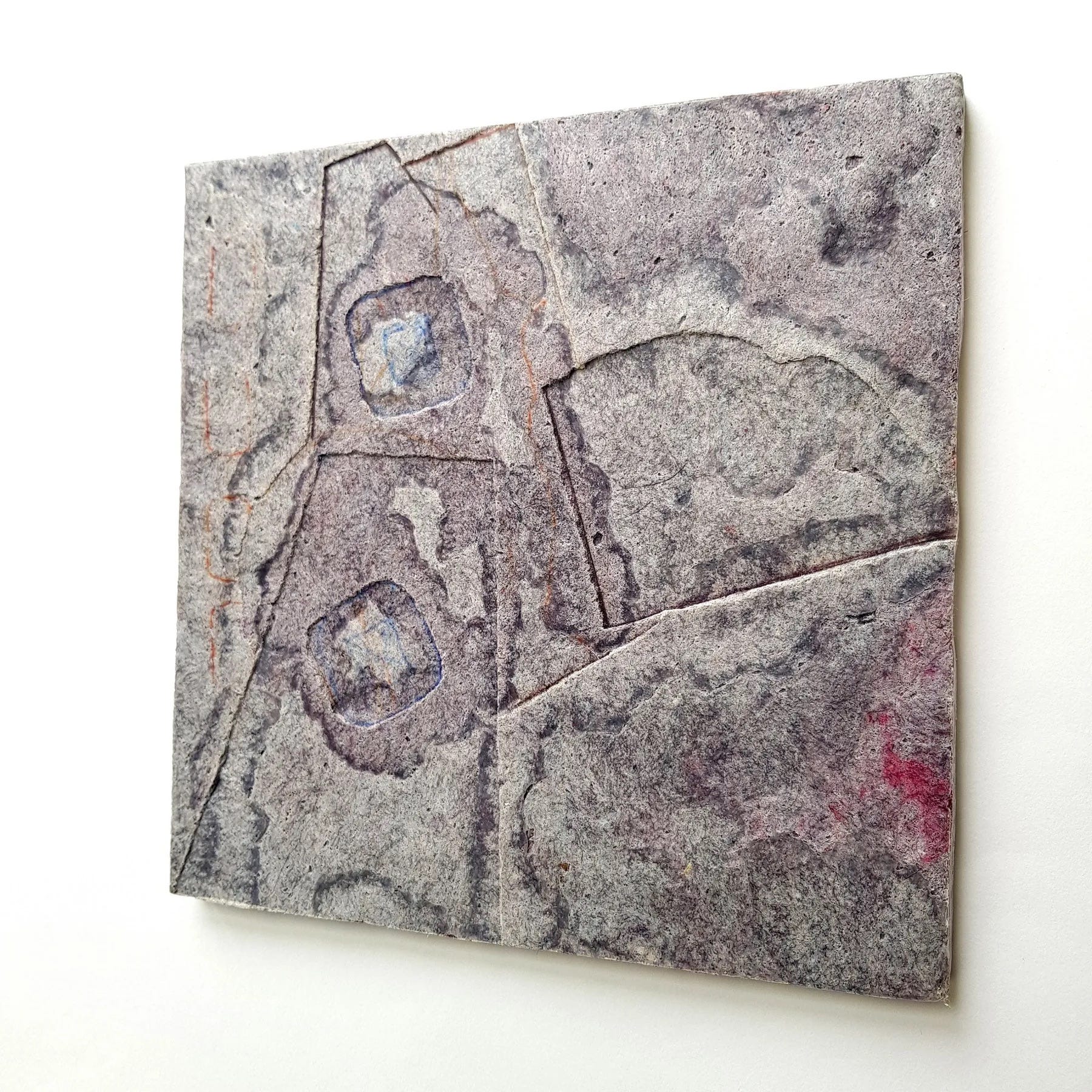
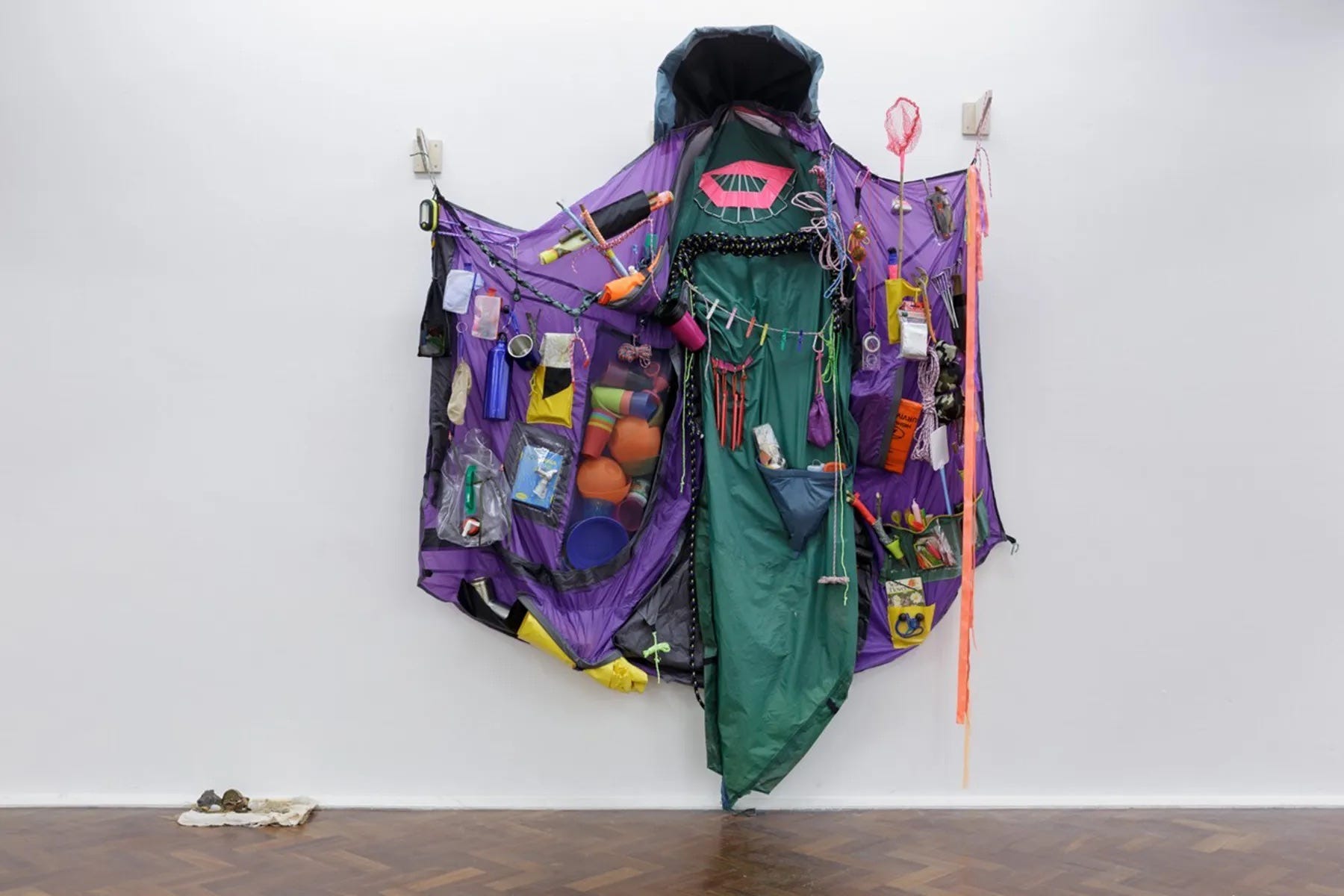
Find out more about the selected artworks here in the members’ area. The following is a short text I wrote to accompany the curated list and contextualise the political and ecological urgency of degrowth practice.
A Future Without Growth
Through the chaotic lens of the ongoing global polycrisis, it’s clear art is simultaneously more useless and more necessary than ever, argues critic and theorist Boris Groys in his e-flux essay ‘Art and Activism’. On one hand, the image-obsessed industry continues to use art to generate huge upward transfers of wealth and in a market devoid of ethics at extravagant fossil-fuelled fairs and biennials around the world. Meanwhile, anti-imperial activists and local mutual aid movements practise creative messaging and radical public expression using whatever materials they can find to generate emotional, financial and political support for intersectional justice.
As Just Stop Oil hang up their hi-viz, after highlighting the urgency for public discourse around the climate crisis by, among many other protests, throwing soup at a Van Gogh, it’s difficult to overstate the need for artists to imaginatively lead the way towards degrowth. Anthropologist Jason Hickel describes the concept of degrowth as, “a planned reduction of energy and resource use designed to bring the economy back into balance with the living world in a way that reduces inequality and improves human well-being.” I tend to think about it as doing less, slower, together, with intention.
Artists are inexplicably compelled to live in line with their ethics, to furiously dream for a fair future despite current crushing realities. Their delusion is often a thinly-veiled road map out of this mess. Those at the vanguard of decolonial, interpersonal and ecological thinking—who are able to deeply feel and hold and communicate multiple contradictory perspectives—are constantly giving clues not in what they do but in how they do it.
New visual languages around the found object in sculpture that challenged received understanding of what constitutes an art material have been around for a century at least, typified by Readymades, Arte Povera and Pop Art. Fortunately, the homogeny and monotony of mass-production and commercialisation has in the last twenty years given way to less cynical methodologies. Long-winded experimentation with biomaterials, futile low-tech and no-tech solutions, systems thinking around waste, and sincere representational crafts. Each illustrates how artists are taking responsibility for their decisions, creating challenging frameworks and wrestling with existentialist questions. Octavia Butler comforts us with the reminder, “All that you Change / Changes you.”
Detoxifying the artist’s studio will not happen overnight. The bisulphites, benzenes, phthalates and cadmium in both hobbyist and professional paints, thinners, casting media and cleaners seep into our skin and can be easily inhaled from the atmosphere. They stick to canvases and wood, flow out of the studio down sinks, flake off onto our clothes. They have long been baked into the most basic and unsuspecting materials, the irony being that so many artists depict nature with tools that have never known soil. Forever, chemicals.
What would happen if all the factories making these art materials closed down tomorrow? Then what would artists use to express themselves or make meaning? How would they reorganise the overwhelming abundance of things in their world to make sense? Could these methodologies become legible in the context of constant flux?
This selection of artworks destabilise archaic perspectives of the function of art. They are reaching into the future, bringing back clues as to how to move forwards: with wit, connection, inquisition, acceptance, thrift and a deep acceptance of the temporary. The artists hone in on their own critical understandings of expanded lifecycles through heritage crafts, post-consumer waste, marginal reportage, right when we need them the most.
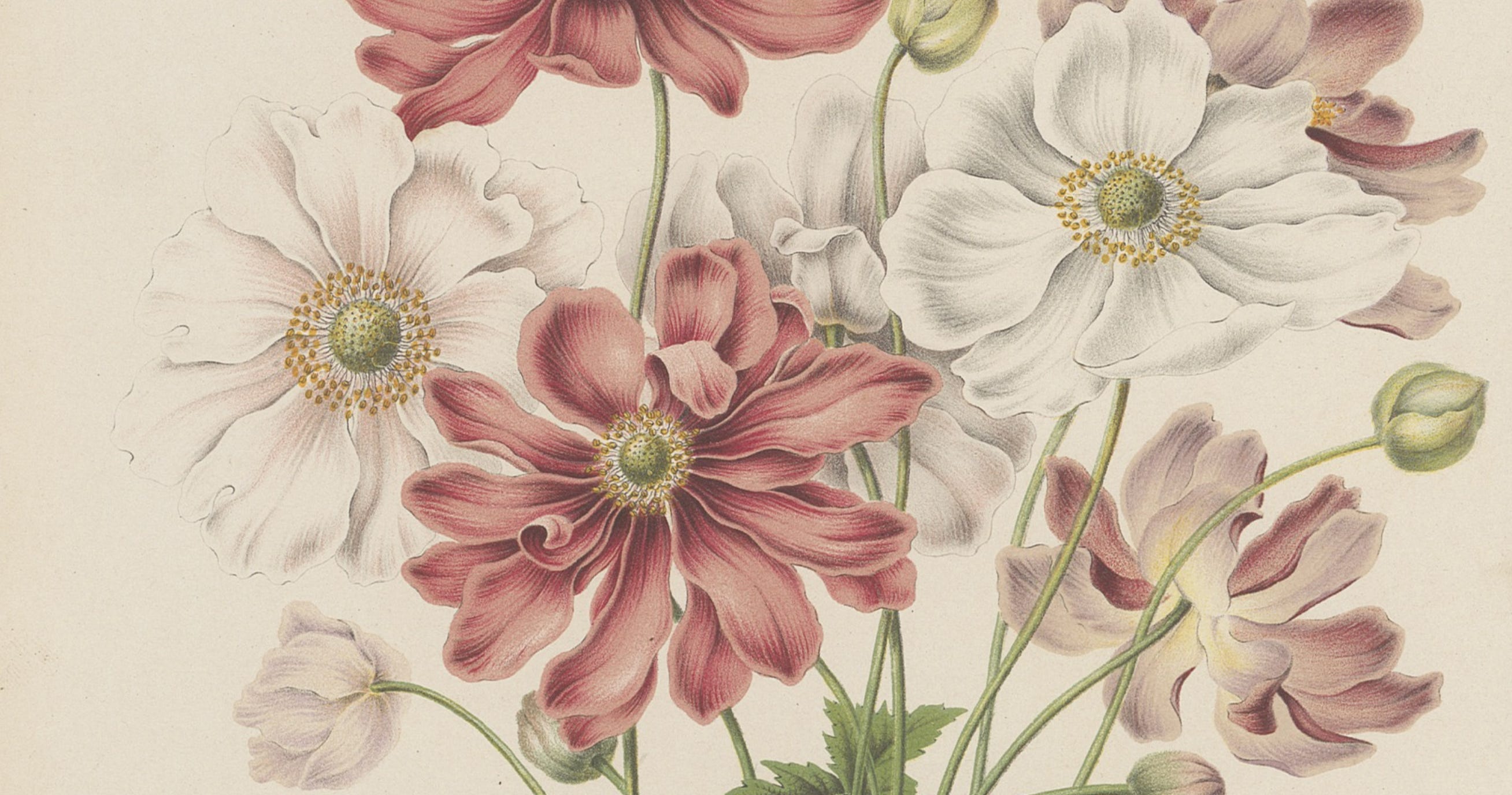
The Reason for Flowers at Devonshire Collective, Eastbourne
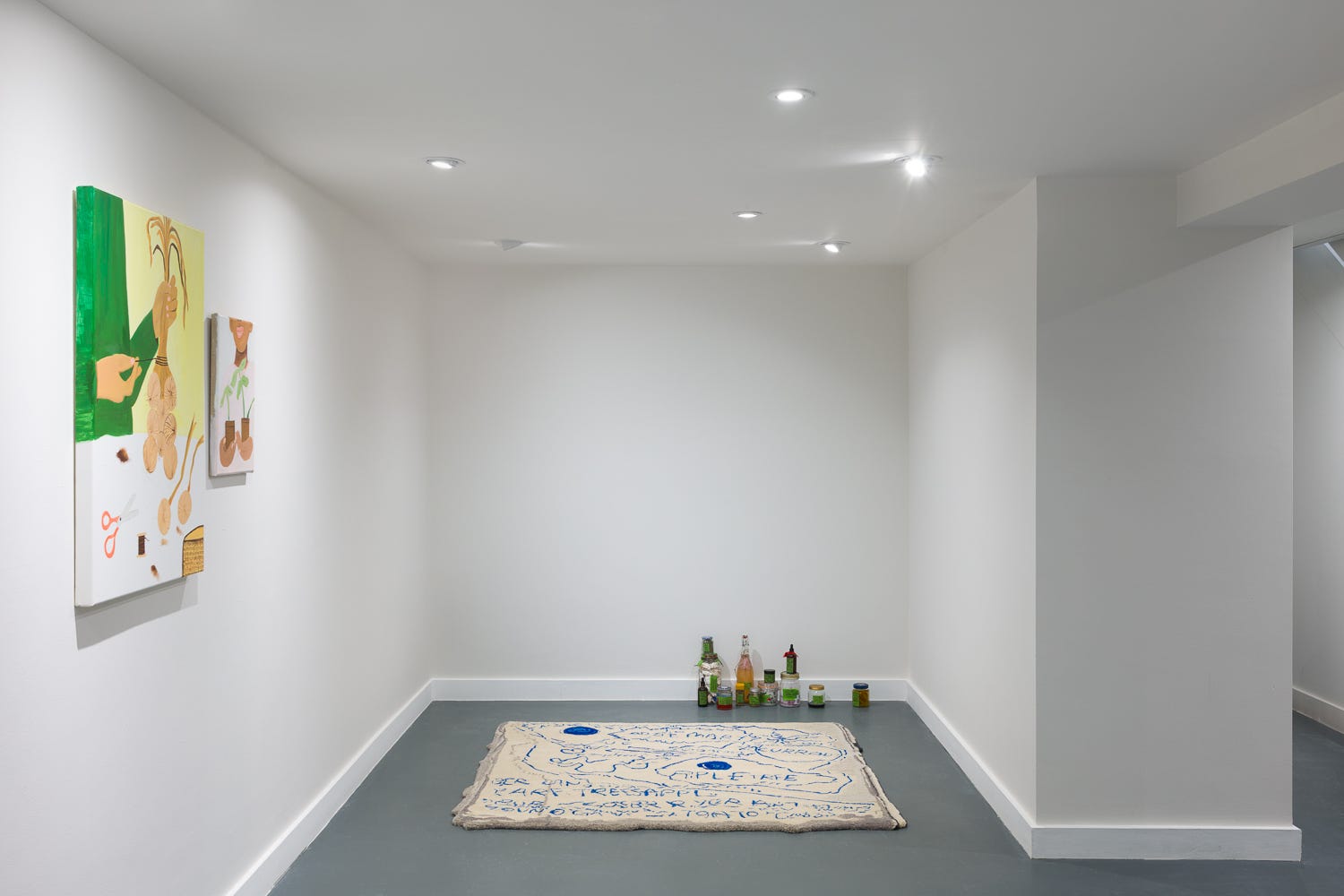
I have a newly-commissioned sculpture appearing in a group show that opens this weekend. It is a collaboration with Laura Derby, a traditional hand-tufter based in Kirkcudbright, SW Scotland.
“The Reason for Flowers is a group exhibition considering flowers as motif, material, symbol and subject, bringing together emerging and established artists who primarily live and work on the South Coast or have connections with the area, curated by Eastbourne-based artist and Lecturer Joseph Jones.
Opening: Please join us for the opening: Saturday 26th April, 2pm - 4pm
Exhibiting Artists: Aimée Parrott, Alice Channer, Alice Walter, Babalola Yusuf, Grace Ndiritu, Harun Morrison, Jacqueline Poncelet, Johanna Tagada Hoffbeck, Jonathan Baldock, Joseph Jones, Olivia Plender, and Sean Roy Parker.
All works are for sale. Proceeds support the artists and Devonshire Collective's Grow Club, a long-term community programme that centres growing as a way to connect, share and be together.
The exhibition will run from 26th April - 22nd June 2025.”
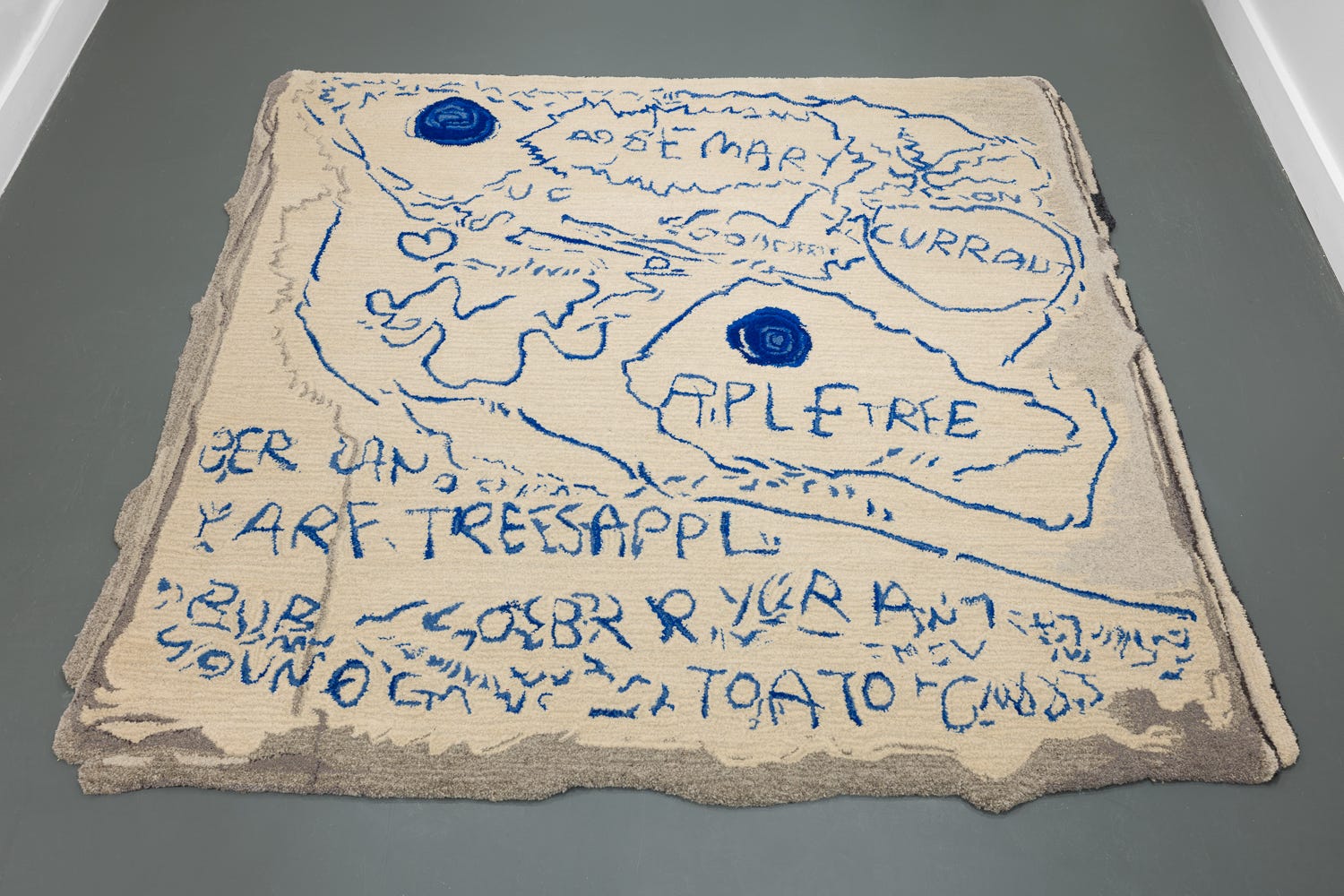
Guild, 2025
Unique bespoke rug, hand-tufted in 100% British Wool backed with loom state cotton, wild herb extractions
1.5m x 1.5m
Sean Roy Parker and Laura Derby
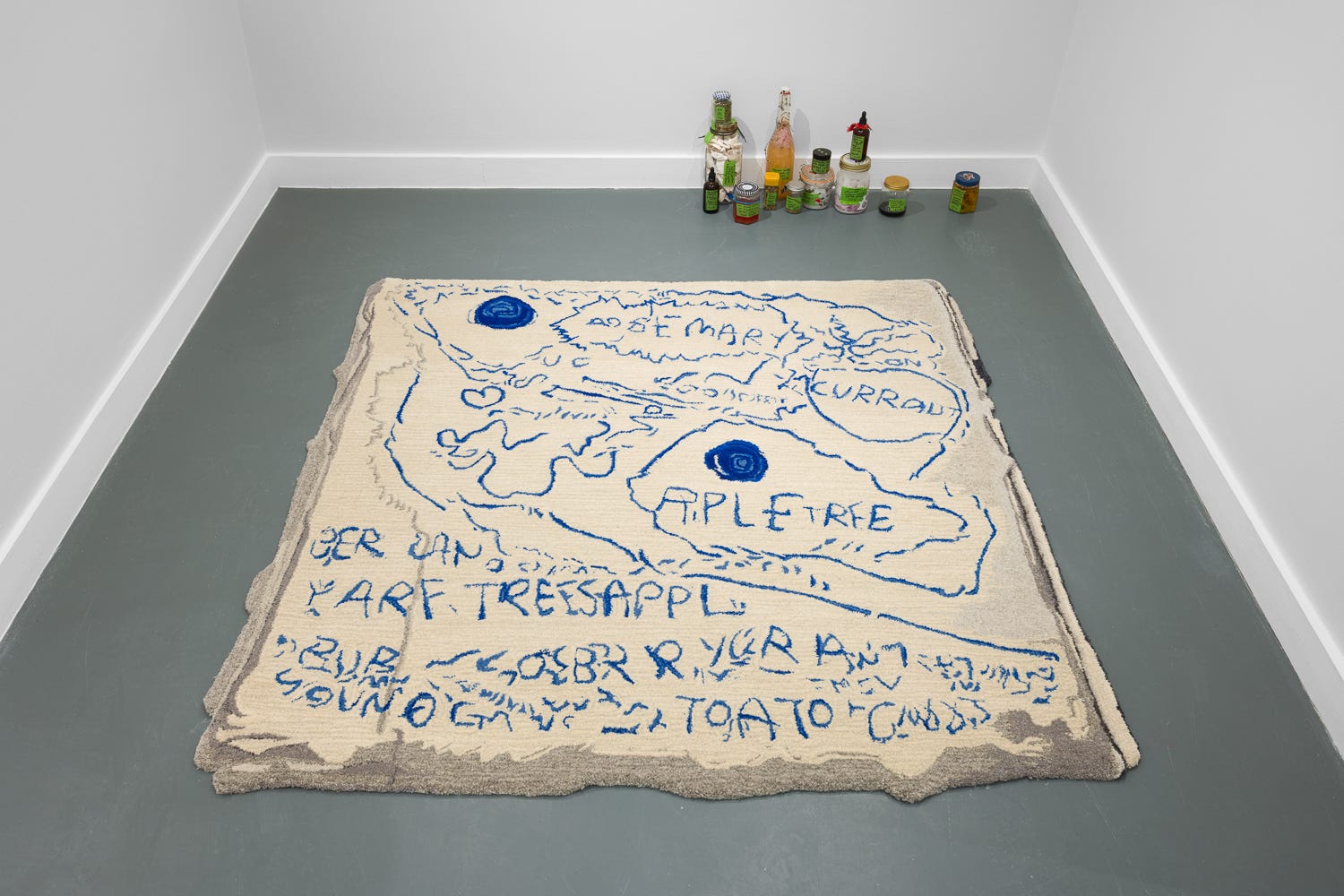
A ‘guild’ in permaculture practice, undoubtedly copied from Indigenous landworkers as much of the methodology is, relates to a polyculture planted around existing or new tree bases. They commonly comprise species from the remaining canopy layers (dwarf trees, shrubs, herbs, rhizome, ground cover and climbers) which provide complementary functions to support the tree's growth. Examples are pollinators, pest repellents, colourful, odorous or medicinal flowers, and when selected for harmony can produce many useful yields. Guilds also benefit from a layer of mulch like dead leaves, woodchip or wool to retain moisture and deter critters.
In 2024, while working on tree guild designs for a community garden in Shipley, Derbyshire, Parker scanned in his pen on paper drawings and accidentally processed them through the content aware scale tool. For this project, he approached Laura Derby, a hand-tufter based in Kirkcudbright, SW Scotland to translate one of the digital images into a rug using only 100% British wool yarn on cones already in her studio. This not only reduced material costs and incorporated materials otherwise commercially obsolete, it also invited Laura to interpret the texture of the scrambled drawing, adding another layer of encryption.
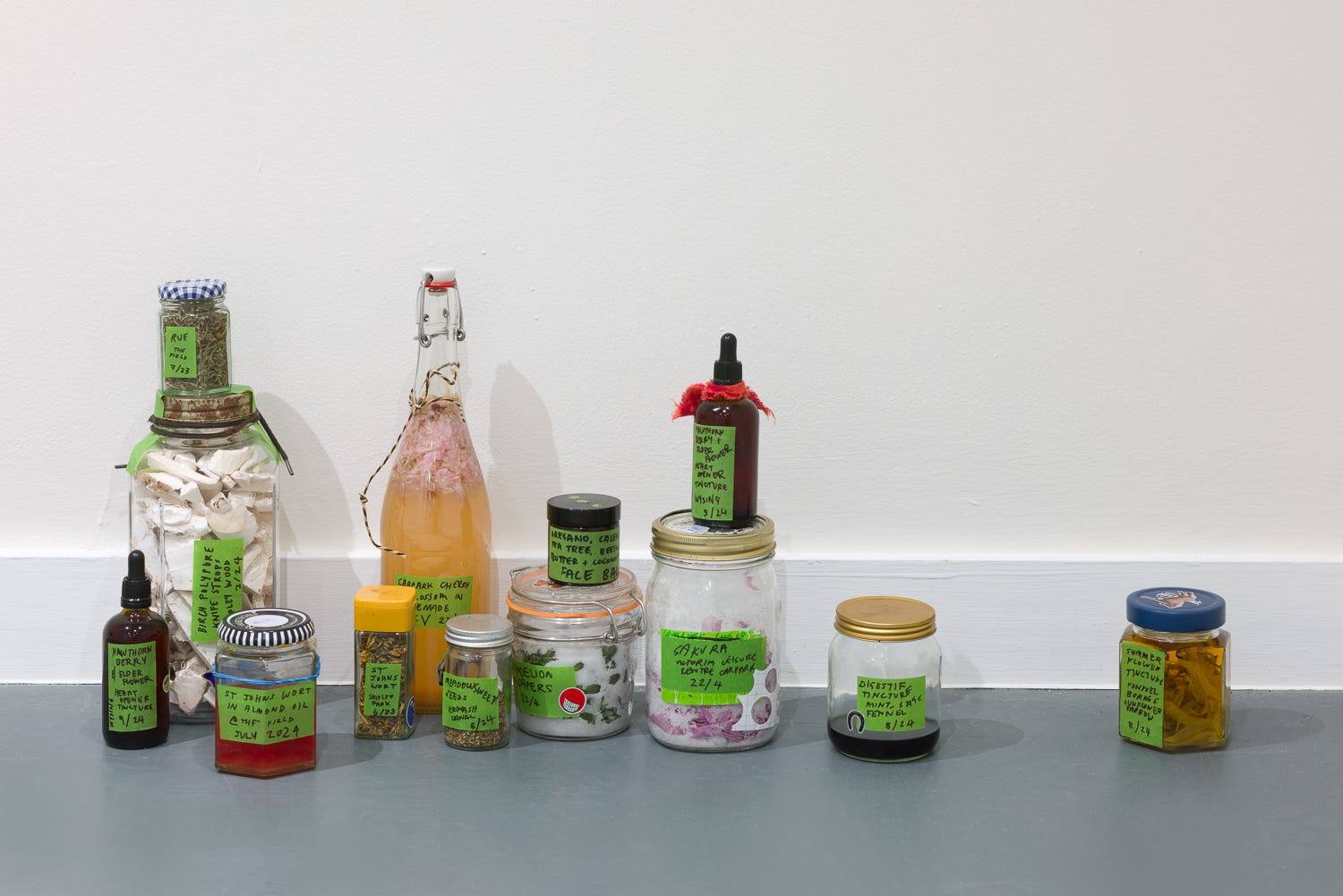
The rug is surrounded by tinctures, balms and tea blends made by Parker from wild and cultivated plants known for their protective and restorative properties.
This new work was commissioned by Devonshire Collective for this exhibition, giving Parker the opportunity to dig through his archive of imagery generated while working in community gardens over the last several years, and collaborate with a professional heritage craftsperson.